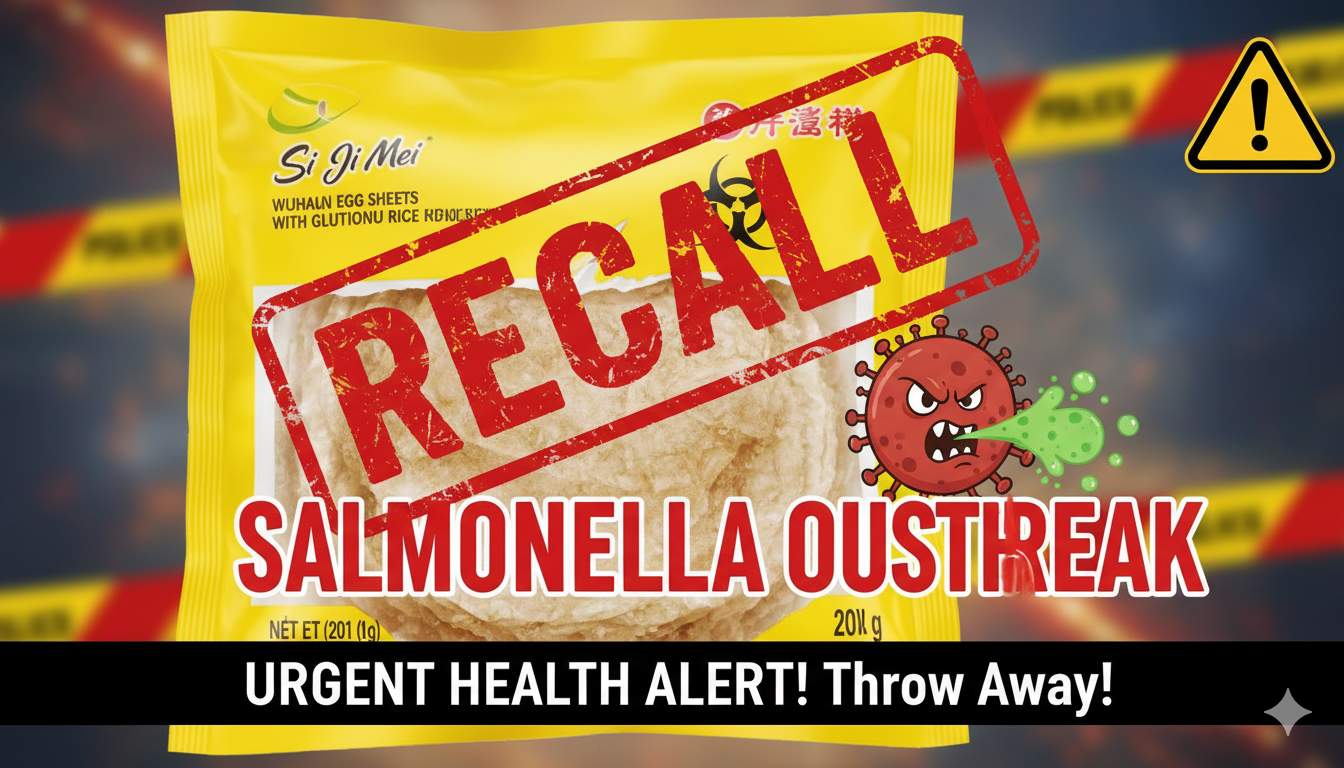
“Canadian authorities have recalled Si Ji Mei brand Wuhan Egg Sheets with Glutinous Rice due to possible Salmonella contamination, linked to one reported illness. The affected product, packaged in 580-gram boxes with a specific UPC and best-by date, was distributed in select provinces. Consumers are urged to avoid consumption to prevent health issues, particularly for at-risk populations.”
The recall targets a popular imported snack product originating from Wuhan, China, under the Si Ji Mei brand. This ready-to-eat item combines egg sheets layered with glutinous rice, often enjoyed as a quick meal or appetizer in Asian cuisine. The contamination issue stems from bacterial testing that detected potential Salmonella presence during routine inspections.
Product Details
The recalled item is specifically the Wuhan Egg Sheets with Glutinous Rice in a 580-gram box format. Key identifiers include:
| Attribute | Details |
|---|---|
| Brand | Si Ji Mei |
| Product Name | Wuhan Egg Sheets with Glutinous Rice |
| Package Size | 580 grams |
| UPC | 6977013950971 |
| Best-By Date | 2025/09/12 |
This product was primarily sold through retailers catering to Asian food markets, with distribution limited to Alberta and British Columbia in Canada. No widespread international shipments have been confirmed, but similar imported goods may appear in U.S. specialty stores.
Health Risks Associated with Salmonella
Salmonella bacteria can cause foodborne illness, known as salmonellosis, which typically manifests with symptoms such as diarrhea, fever, abdominal cramps, nausea, and vomiting. These effects usually appear within 6 to 72 hours of exposure and last 4 to 7 days in healthy individuals. However, vulnerable groups—including young children, elderly adults, pregnant women, and those with weakened immune systems—face higher risks of severe complications, such as dehydration, bloodstream infections, or hospitalization. One case of illness has been associated with this product, highlighting the need for vigilance.
Consumer and Retailer Actions
Consumers who purchased the product should immediately check their pantries or refrigerators for matching details. Avoid consuming, serving, or using the item in any recipes. Safe disposal options include throwing it away in a secure trash bin to prevent accidental ingestion by others or animals, or returning it to the point of purchase for a full refund. Retailers are instructed to remove all affected stock from shelves and notify suppliers for further guidance. Health officials recommend thorough handwashing and sanitizing of any surfaces that may have come into contact with the product to minimize cross-contamination risks.
Business Implications for Food Importers
Recalls like this can disrupt supply chains for importers dealing in Asian specialty foods, potentially leading to short-term revenue dips and increased scrutiny on sourcing practices. Companies involved may face costs related to product retrieval, testing, and public relations efforts. In the broader food sector, such events underscore the importance of robust quality controls, especially for perishable imports, which could influence investor sentiment toward related firms in the packaged goods industry.
Disclaimer: This news report and any tips provided are for informational purposes only and based on available sources.